
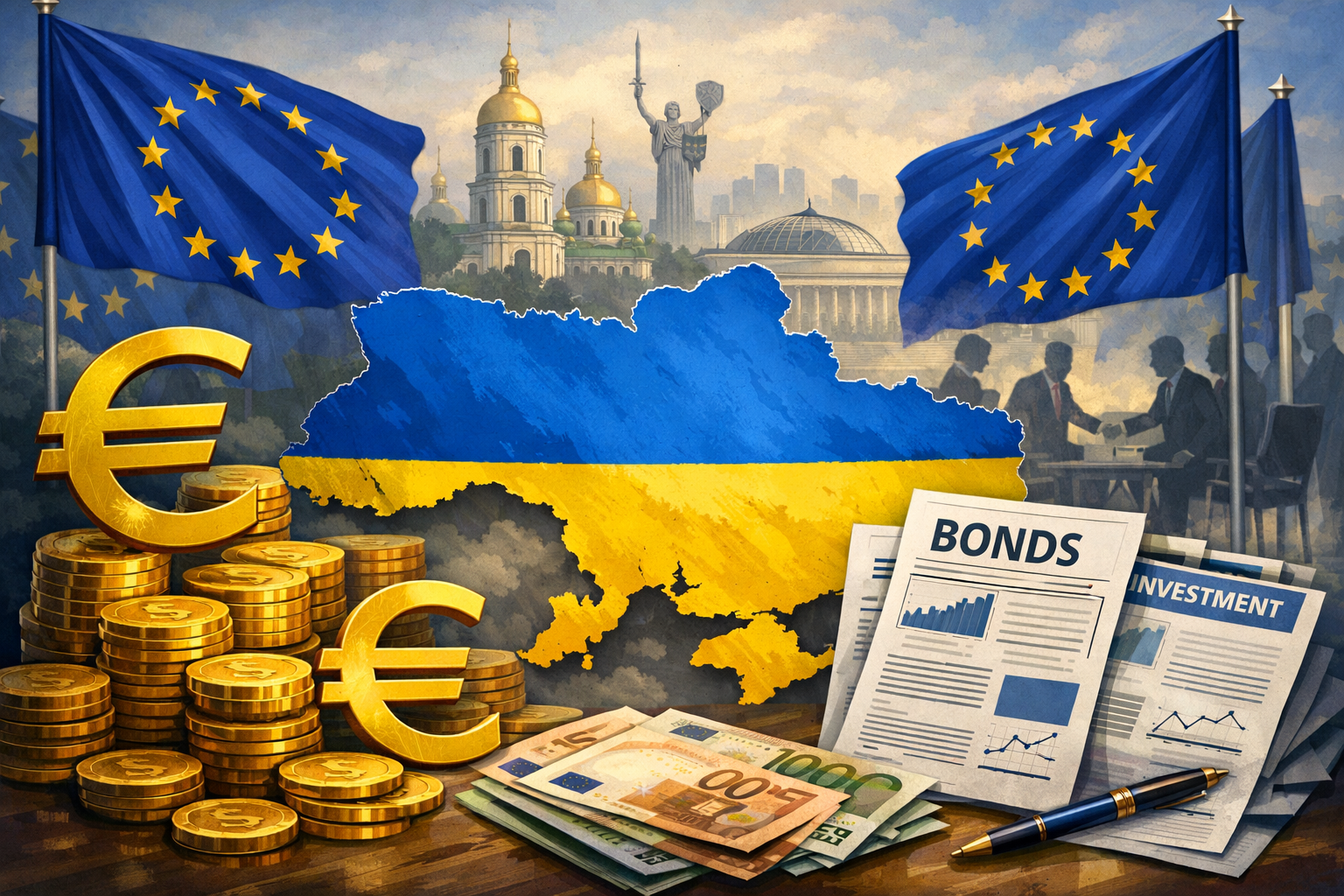
European Union leaders have agreed to allocate €90 billion ($105 billion) in financial support to Ukraine for 2026 and 2027, providing a crucial funding backstop as Kyiv faces mounting fiscal pressure and uncertain backing from the United States.
The package was approved after marathon talks at a summit in Brussels and will be financed through joint EU borrowing backed by the bloc’s budget.
EU Council President Antonio Costa confirmed the agreement on Friday, writing on X: “We have a deal.” He said Ukraine would only repay the loan if Russia pays reparations, underlining the EU’s continued political and financial commitment to Kyiv.
Join borrowing, no consensus on Russian assets
The decision marks a significant pivot from months of debate over whether to use €210 billion in frozen Russian central bank assets held largely in Belgium to support Ukraine.
While many EU governments had pushed to tap those assets, legal concerns and fears of retaliation ultimately derailed the plan.
Belgium, which hosts most of the frozen funds through Euroclear, had warned of legal uncertainties and potential litigation risks if the assets were used.
Belgium Prime Minister Bart De Wever said Brussels needed concrete guarantees before backing such a move, a position that proved influential in the outcome.
Instead, EU leaders opted for joint borrowing, with the loans guaranteed by the EU budget.
German Chancellor Friedrich Merz described the solution as “pragmatic,” saying it achieved the same objective as the frozen-assets plan but avoided excessive complexity.
European Commission President Ursula von der Leyen said Russian assets would remain frozen, with the EU retaining the option to use them in the future to help repay the loan.
Financial lifeline as pressure mounts on Kyiv
The agreement comes as Ukraine faces a looming funding shortfall.
European officials have warned that Kyiv’s finances could run dry by April, particularly as US financial support has largely evaporated and Washington presses Ukraine to make concessions in peace talks.
Under existing mechanisms such as the Ukraine Facility, the EU has already delivered multiple tranches of assistance, including about €6 billion in bridge financing.
Ukraine has also received €18.1 billion in loans this year under a Group of Seven-led scheme.
Since Russia’s invasion in 2022, total EU support to Ukraine has exceeded €187 billion.
Ukrainian President Volodymyr Zelenskyy urged EU leaders earlier this week to increase support and to decide on the use of frozen Russian assets, arguing that sustained backing was essential to keep the country resilient and deter Russia from prolonging the war.
Broader geopolitical stakes
EU leaders said the loan would strengthen Ukraine’s position in potential peace negotiations and signal Europe’s determination to shape any US-led diplomatic process.
In late November, US and Ukrainian officials met in Geneva to refine a proposed peace framework, which Reuters reported included elements Kyiv found difficult to accept, such as freezing current front-line positions and limits on NATO aspirations.
French President Emmanuel Macron said the agreement avoided a damaging failure of unity.
“The absence of this decision would have been a disaster,” he told reporters.
Polish Prime Minister Donald Tusk framed the choice starkly, saying Europe faced “either money today or blood tomorrow.”
The post EU to give $105B loan to Ukraine for 2026 to 2027 appeared first on Invezz
