
Russia and China vetoed a UN Security Council resolution aimed at reopening the Strait of Hormuz on Tuesday, blocking a text that had been repeatedly diluted in an attempt to secure their abstention — and doing so just hours before a deadline set by US President Donald Trump for Iran to open the waterway or face military strikes.
The vote was 11 in favour, two against, and two abstentions.
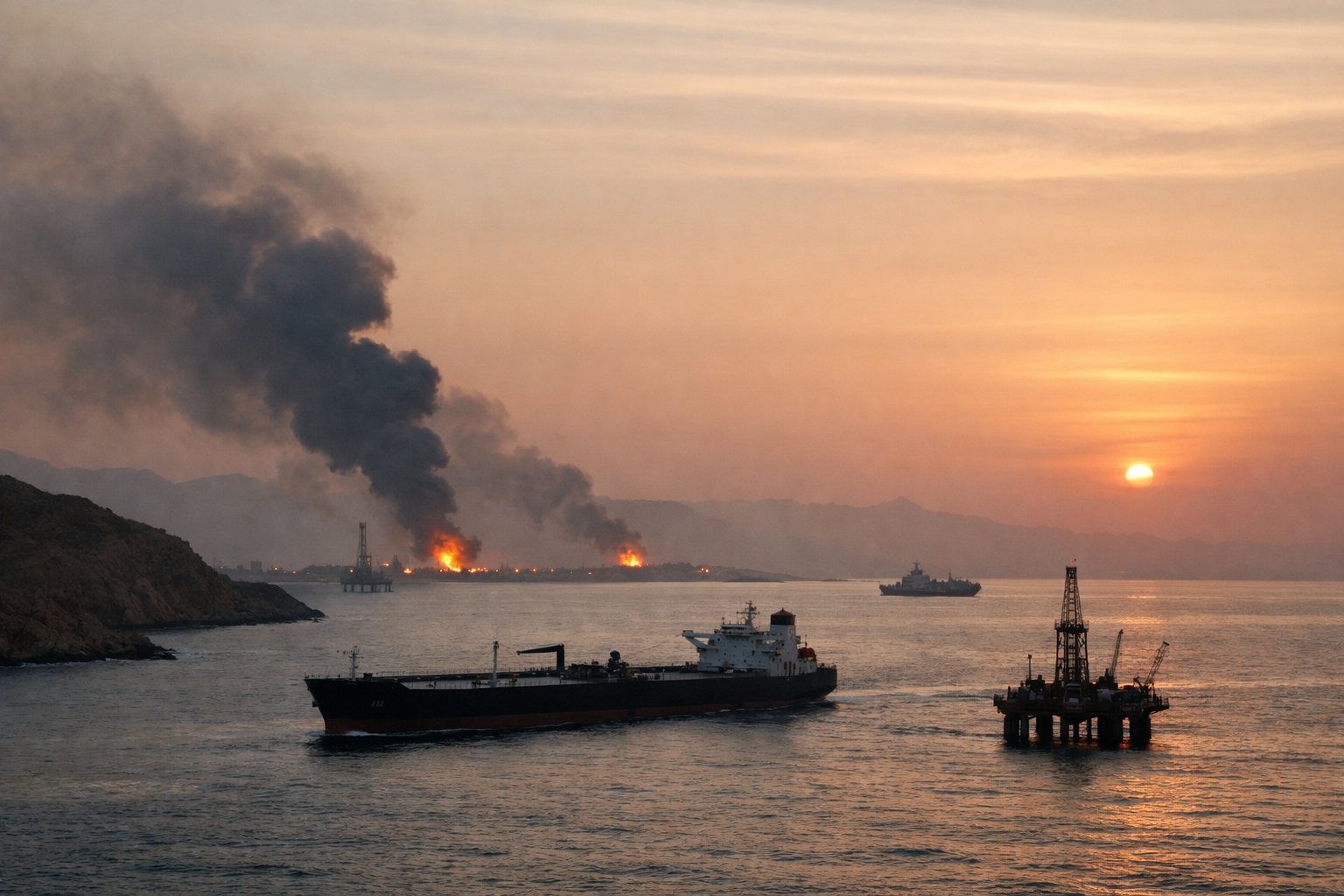
One-fifth of the world’s oil typically passes through the strait, and Iran’s stranglehold on the waterway since the start of the conflict has sent global energy prices sharply higher.
A resolution weakened at every turn
The original Bahraini proposal would have authorised countries to use “all necessary means” — UN language that encompasses military action — to ensure transit through the strait and deter attempts to close it.
After Russia, China, and France, all veto-wielding members of the 15-seat Security Council, expressed opposition to authorising the use of force, the text was revised to remove all references to offensive action, replacing them with authorisation for “all defensive means necessary.”
The resolution was then weakened further still, stripping out any reference to Security Council authorisation — which carries the force of a formal order — and limiting its scope to the Strait of Hormuz itself, having previously extended to adjacent waters.
What the vetoed text said?
The resolution that Russia and China ultimately vetoed “strongly encourages states interested in the use of commercial maritime routes in the Strait of Hormuz to coordinate efforts, defensive in nature, commensurate with the circumstances, to contribute to ensuring the safety and security of navigation” through the waterway.
It called for the escorting of merchant and commercial vessels and for deterrence of attempts to close, obstruct, or interfere with international navigation.
It also demanded that Iran immediately halt attacks on merchant shipping and stop impeding freedom of navigation through the strait.
Iran’s wider targeting of civilian infrastructure
In response to US and Israeli strikes that began on 28 February, Iran has targeted hotels, airports, residential buildings, and other civilian infrastructure across more than 10 countries, including Gulf neighbours that rank among the world’s largest exporters of oil and natural gas.
Trump’s deadline looms
The vote took place hours before an 8 pm Eastern time deadline set by Trump for Iran to reopen the strait or face attacks on its power plants and bridges.
Even if the resolution passed, analysts said it was unlikely to have materially affected the course of a conflict now in its fifth week, given how extensively the text had been watered down before reaching a vote.
The post Russia, China veto UN resolution to reopen Strait of Hormuz appeared first on Invezz
